 University IT
AI vs Traditional Project Management: What’s Different
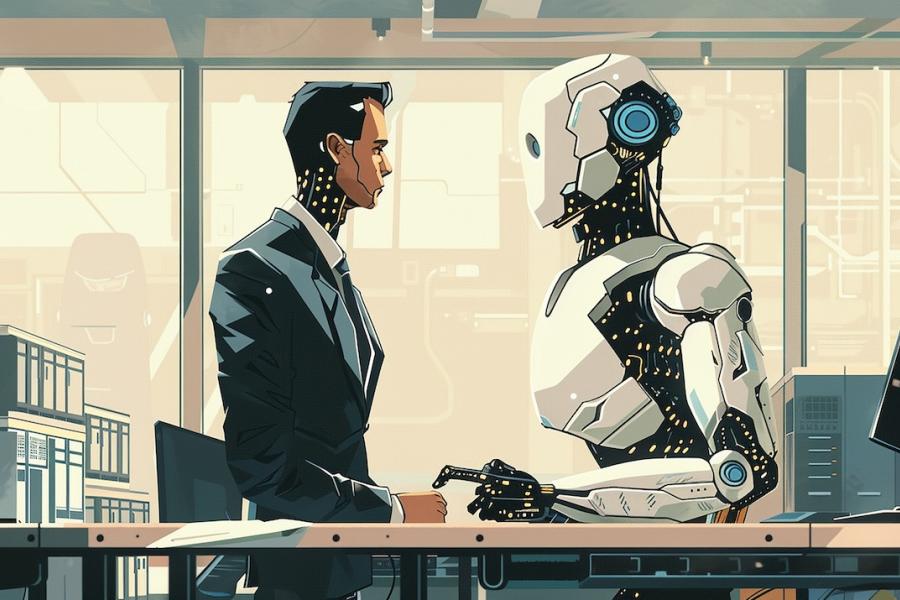
AI in project management is rapidly transforming how teams plan, manage, and deliver projects. From automated workflows to predictive insights, artificial intelligence in project management is becoming a key part of modern project environments.
But does this mean traditional project management is no longer relevant?
Not at all. Instead, the field is evolving into a hybrid approach, combining AI efficiency with human expertise.
1. Planning Is Becoming Faster and Smarter
In traditional project management methods, planning often requires significant manual effort—building timelines, assigning tasks, and estimating resources.
With project management with AI, teams can:
- Generate project schedules automatically
- Identify task dependencies
- Optimize resource allocation
This shift allows project managers to spend less time on setup and more time on strategic work, highlighting one of the key benefits of AI in project management.
2. Risk Management Is Moving from Reactive to Predictive
One of the biggest changes in the role of AI in project management is how risks are handled.
Traditionally, risks are addressed after they arise. With AI, teams can:
- Analyze historical project data
- Predict delays or budget overruns
- Enable predictive risk management
This transition from reactive to proactive workflows is a major advantage of using AI project management tools.
3. Administrative Work Is Being Automated
A significant benefit of AI in project management is the reduction of manual tasks.
AI can:
- Generate status reports
- Summarize meetings
- Support automated project reporting
By reducing administrative workload, project managers can focus more on decision-making and leadership rather than routine tasks.
4. Human Skills Matter More Than Ever
Despite the rise of artificial intelligence in project management, human capabilities remain essential.
AI cannot replace:
- Leadership and team motivation
- Stakeholder communication
- Strategic thinking
- Context-aware decisions
This highlights an important reality: AI vs human project management is not a competition, but a collaboration.
Key Takeaways
- AI in project management is improving efficiency, not replacing project managers
- Planning, risk management, and reporting are becoming more data-driven
- The future of project management is a hybrid model combining AI and human skills
- Strong leadership and strategic thinking remain critical
Frequently Asked Questions
Will AI take over project management jobs?
Not quite. AI is great at crunching data and automating tasks, but it can’t lead teams, navigate tough conversations, or make judgment calls in complex situations. Think of it as a powerful assistant—not a replacement.
So what’s actually changing in project management?
A lot—in a good way. AI is speeding up planning, spotting risks before they happen, and taking over repetitive admin work. That means project managers can focus more on strategy, leadership, and big-picture thinking.
Do I need to learn AI to stay relevant?
Yes—but don’t worry, you don’t need to become a data scientist. Understanding how to use AI tools, interpret insights, and apply them to real projects is what really matters.
What skills matter most in an AI-powered world?
The winning combo: tech awareness + human skills. That includes critical thinking, communication, leadership, and the ability to make smart decisions using AI-generated insights.
Interested in Learning More?
For project managers interested in applying AI in project management, hands-on learning can be valuable.
Stanford’s Tech Training offers an AI-Powered Project Management Certificate Workshop focused on practical tools and real-world use cases.
What to read next:
You Must Know These 5 AI Tools for Project Managers

Top 5 Rules for Using AI in Project Management (and When Not To)