University IT
Stanford ID Card Gets a New Look
University IT (UIT) has introduced an updated Stanford ID card that refreshes the design and retires outdated technology. In collaboration with University Communications, UIT redesigned the card to align with Stanford’s broader visual identity while highlighting the university’s distinctive campus architecture.
The 2026 freshman class was the first to receive the new card as part of a phased rollout, following the approach used in previous card transitions. All replacement cards issued going forward will feature the new design. No campus-wide recarding is planned, which means both the previous and new versions are valid forms of identification, and existing access privileges remain the same.
What’s changed
The new card drops three features that are no longer needed — the barcode, proximity, chip, and magnetic stripe that relied on older, obsolete technology. The new cards also use an expanded numbering format, moving from 35-bit to 48-bit, to make room for more unique card numbers as the Stanford community grows. The redesign also removes blank space that was once reserved for the Caltain Go Pass sticker, presenting an opportunity to redesign the ID card to highlight Stanford’s architecture and iconic Hoover Tower.
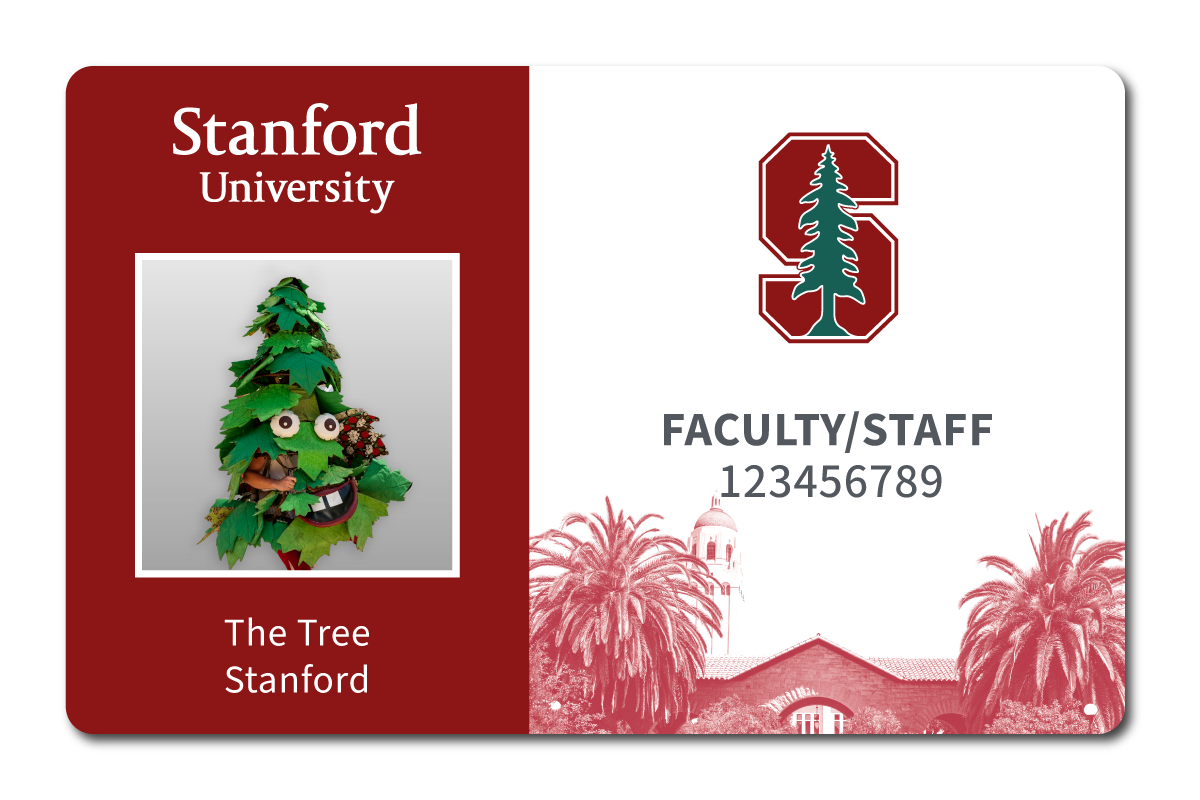
A consistent look across Stanford ID experiences
The refreshed visual theme also extends to the Stanford Mobile Me screen and Stanford Unlock, the digital access card in your mobile wallet. Together, the new design updates bring a more consistent look across Stanford’s physical and digital ID experiences.
Additional resources
- Learn more about the Stanford ID.
- Visit the Stanford Unlock service homepage.
- Explore the Stanford Mobile website.
- Questions? Submit a Help request for assistance.
DISCLAIMER: UIT News is accurate on the publication date. We do not update information in past news items. We do make every effort to keep our service information pages up-to-date. Please search our service pages at uit.stanford.edu/search.
What to read next:

Jamf Screen Saver Timeout Updates for High Risk Data
Stanford AI Tools: November 2026 Platform Updates