University IT
Action Required: Upcoming Upgrades and Changes to Stanford VPN
University IT (UIT) is rolling out key security and infrastructure updates to the Stanford VPN service starting later this month through early 2027. These changes aim to improve security, adopt modern networking standards, and reduce connectivity issues for users accessing university resources.
At a glance
| Date | What's Changing | Action Required? |
|---|---|---|
| Thursday, Oct. 22, 2026 | The current network security protocol (IKEv1) will be retired for built-in Apple VPN clients. | Yes, if you use the built-in Apple VPN |
| Note: If you connect using the built-in VPN on a Mac, iPhone, or iPad, you'll need to switch to Cisco Secure Client by Oct. 22, 2026, to avoid access disruption. | ||
| Thursday, Nov. 12, 2026 | New version of Cisco Secure Client available. | Yes. Either accept the upgrade offer when connecting to the Stanford VPN service or manually download and install from the Stanford VPN service homepage. |
| Thursday, Dec. 3, 2026 | The latest internet protocol version (IPv6) will be enabled for all VPN connections | No |
| Thursday, Jan. 28, 2027 | A seven-day maximum session limit will be enforced. | No, but watch for the new session timer and expiration notice (see below). |
Apple Users: Switch to Cisco Secure Client by Oct. 22, 2026
The legacy network security protocol used by Apple's built-in VPN client is being deprecated in favor of the modern secure version. This update helps ensure increased secure network access for the Stanford community.
Faculty, staff, and students identified as using the legacy network security protocol in their built-in VPN configuration on macOS, iOS, or iPadOS should have received an email notification about this upcoming change.
Need assistance with installing or using the Cisco Secure Client? Submit a Help request.
Note: UIT strongly recommends clients transition to Cisco Secure Client software available for Apple iPhone, iPad, and Mac devices (in addition to Windows and Linux platforms).
To get started using Cisco Secure Client:
- Download the appropriate Cisco Secure Client for your operating system:
- Download the remote VPN Client for Mac.
- Download the remote VPN Client for iPhone or iPad.
- Follow the setup instructions on the Remote Access VPN page under "Get started."
New version of Cisco Secure Client available Nov. 12, 2026
A new version of Cisco Secure Client will be available starting Nov. 12. Mac and Windows users will receive a notification to download the latest version when connecting to the Stanford VPN. The latest version can also be manually downloaded and installed from the Stanford VPN service homepage.
Enhanced VPN connection starting Dec. 3, 2026
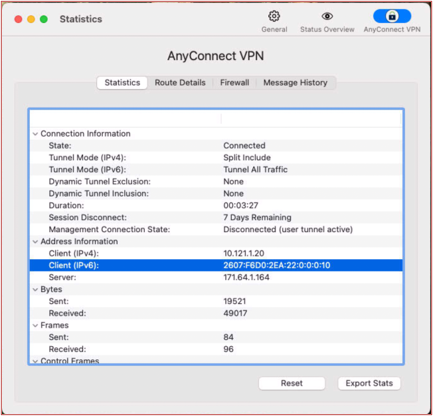
As part of UIT's ongoing effort to modernize the Stanford VPN, Network Engineering will enable IPv6 Internet addressing. This adds enhanced connectivity options to devices, services and applications using the IPv6 Internet protocol.
Most Stanford VPN users won't notice any change. However, this update will provide many faculty, staff, and students with enhanced access to Internet and network resources, such as websites and research computing systems.
Note for system administrators: View the new IPv6 address prefixes on the Stanford IP Net Numbers webpage within the Stanford VPN IPv6 address table. Please add these to server local host firewalls as necessary.
VPN sessions capped at seven days starting Jan. 28, 2027
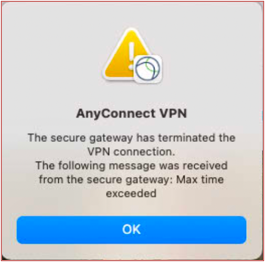
Beginning Jan. 28, VPN sessions will end after a maximum of seven (7) days. This strengthens security and reduces connection issues for clients using SUNAC to access UIT firewalled network resources.
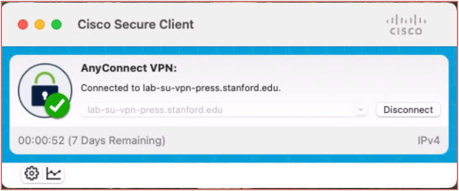
What you'll see in Cisco Secure Client:
- A session timer in the connection window
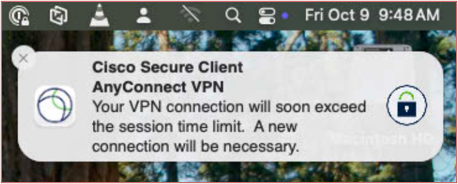
- An advance notice before your session expires
- The secure gateway has terminated the VPN connection.
Questions or need help? Submit a Help request.
DISCLAIMER: UIT News is accurate on the publication date. We do not update information in past news items. We do make every effort to keep our service information pages up-to-date. Please search our service pages at uit.stanford.edu/search.
What to read next:
Google Drive Files Become Unavailable 180 Days After Owner’s Account Is Suspended

Stanford Enterprise Vercel Is Coming Soon, With Connections to Claude and ChatGPT